5 June 2026
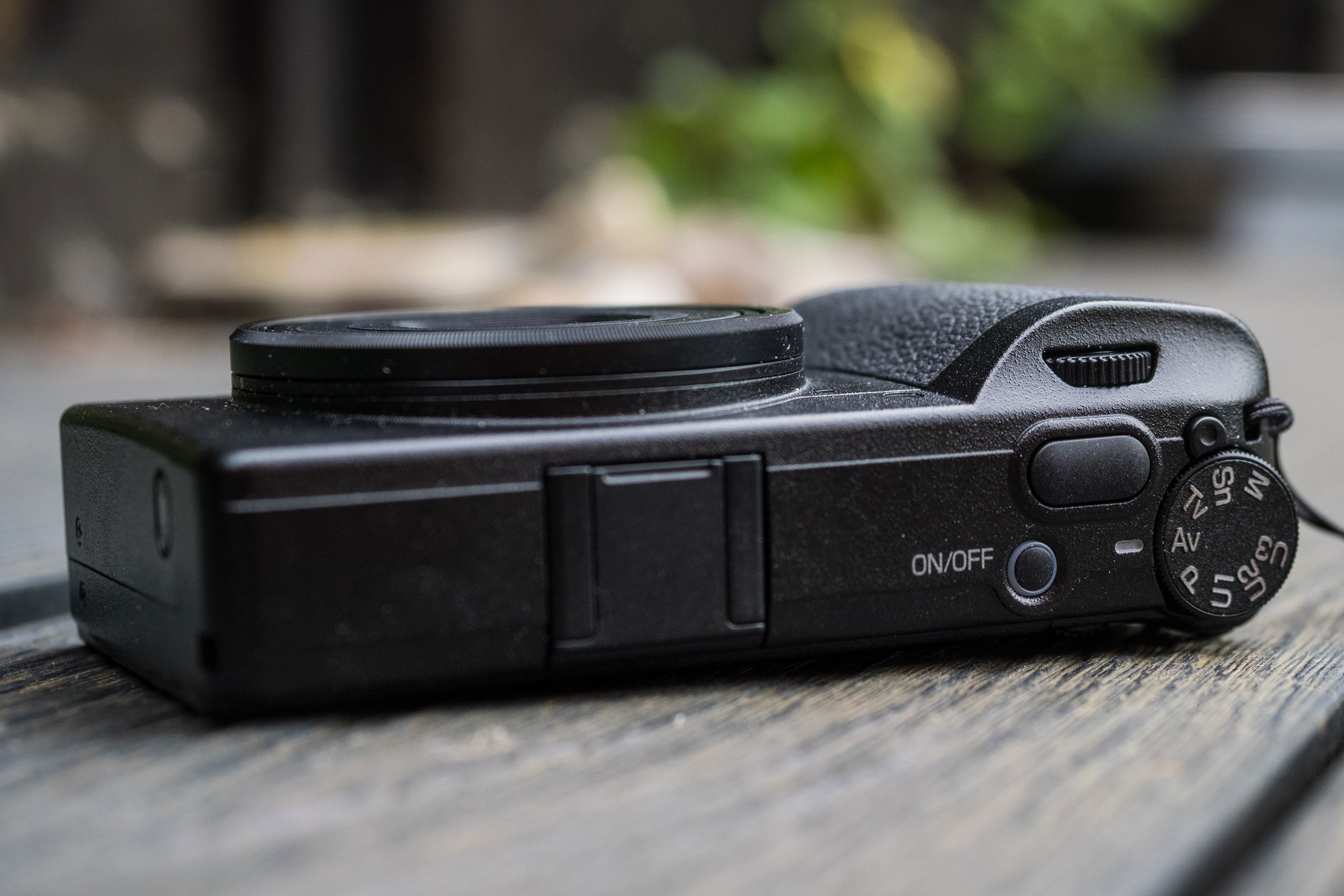
Ricoh GR IV: When a camera becomes a way of being in the world
Carrying a dedicated compact camera like the Ricoh GR IV at all times is more than a technical choice—it's a philosophy that transforms the way you experience the world and approach photography.
There’s a question that every photographer eventually asks themselves: how many images have I missed because my camera was in a bag, left at home, or simply too inconvenient to pull out in time?
At first glance, it seems like a simple question. But underneath it lies something deeper about our relationship with seeing and with the present moment.
Eric Kim, a photographer and visual thinker who has turned street photography into a genuine way of life, recently reignited the discussion around the Ricoh GR IV with a reflection that goes far beyond technical specifications. The point isn’t the sensor resolution or the lens quality—excellent as they may be—but rather the idea of always carrying a dedicated tool that is ready and immediate. A real camera, not a smartphone.
This distinction matters more than it might seem. A smartphone is multitasking by nature: notifications, messages, apps. Even when you're using it to take photos, part of your attention is elsewhere. A compact camera like the GR IV, on the other hand, has a single purpose. You turn it on, frame the scene, and shoot. There’s nothing to distract you, nothing to delay the moment. And that almost monastic simplicity eventually shapes the way you walk, observe, and inhabit the space around you.
Street photographers know this well: the difference between capturing an image and missing an opportunity is often measured in seconds—sometimes fractions of a second. Having a camera in your pocket—truly in your pocket, not buried inside a three-kilogram backpack—changes your responsiveness, but it also changes your state of mind. It keeps you alert, curious, and present.
The same applies to travel photography, where lightweight gear is not a compromise but a strategy. Less weight means greater mobility, longer days on your feet, and more situations where you can move freely without planning every shot. With its fixed 28mm wide-angle lens—a focal length that forces you to get closer to your subjects and make bold compositional choices—the GR IV becomes almost an extension of the body, something that stops being an object and starts becoming a reflection of the way you see.
This isn’t nostalgia for the past, nor is it snobbery toward smartphones. It’s a conscious choice: separating photography from digital distractions and restoring it as an independent practice. A camera that is always in your pocket serves as a quiet reminder that the world deserves attention, that every outing can offer something unexpected, and that the eye needs constant training.
Ultimately, the best upgrade you can make to your photographic workflow isn’t always a more advanced camera body or a faster lens. Sometimes, it’s simply deciding never to leave home without a camera again.